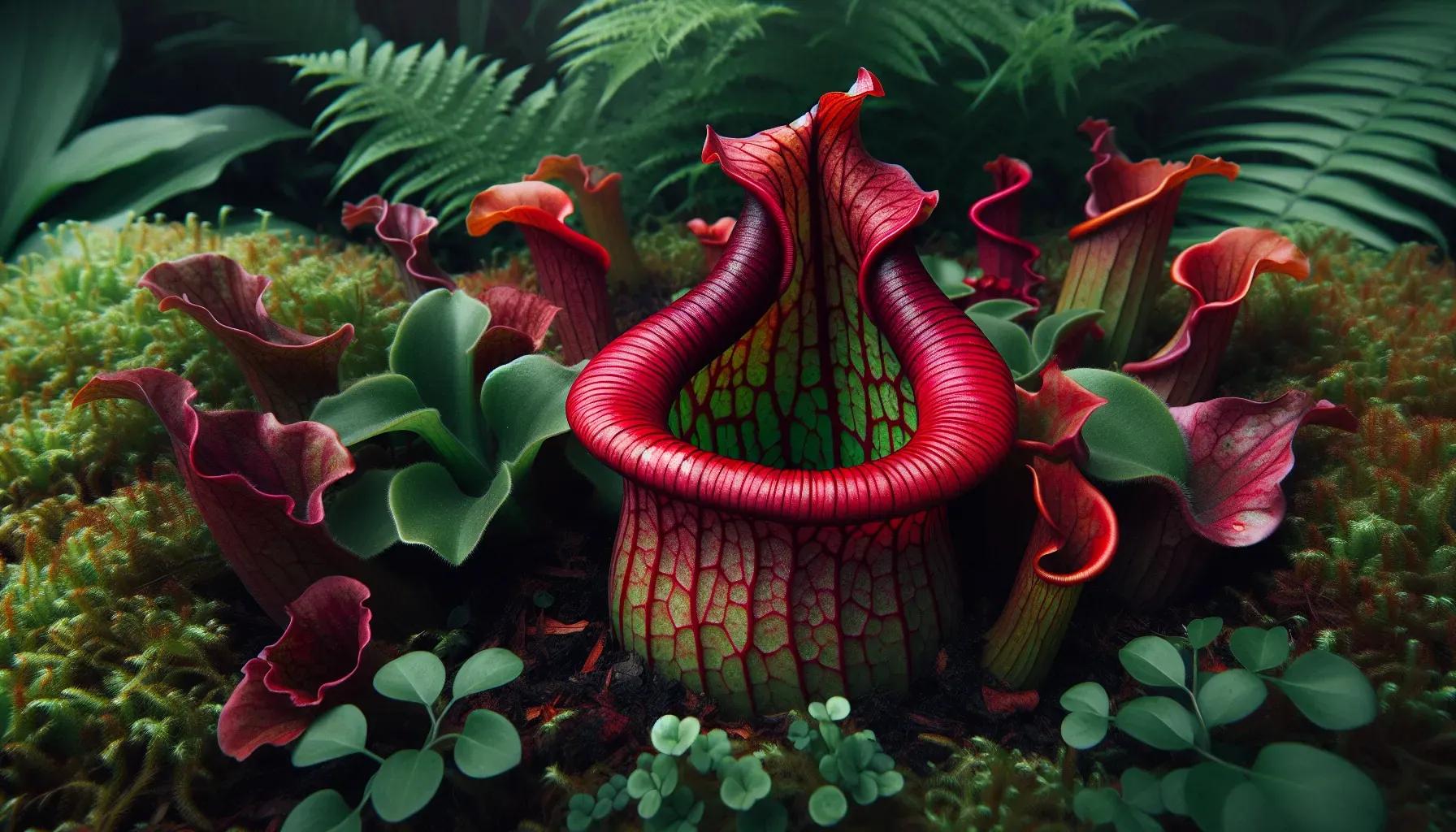

What Rare Or Unusual Plants Have Landscape Architects Cultivated?
From the rare New Zealand Rock Lily nurtured by an experienced Arborist to the enchanting Lotus Flowers flourishing in aquatic landscapes, horticulturists are the caretakers of botanical rarities. Alongside expert insights, we've gathered additional answers that unveil the dedication and specialized care these unique plants demand. Discover the diverse and unusual flora that these green-thumbed professionals have brought to life and the extraordinary measures they take to sustain them.
- Cultivating the New Zealand Rock Lily
- Exotic Epiphytes in Vertical Gardens
- Wollemi Pine: A Prehistoric Wonder
- Ghost Orchid: A Cultivation Achievement
- Carnivorous Plants in Urban Rain Gardens
- Lotus Flowers in Aquatic Landscapes
Cultivating the New Zealand Rock Lily
Cultivating the New Zealand Rock Lily (Arthropodium cirratum), also known as the Renga Renga Lily, presented a unique opportunity to explore the diversity of plants native to New Zealand. This plant, admired for its star-shaped white flowers and lush, green foliage, thrives in conditions that mimic its coastal and forest habitat, requiring well-drained soil and partial shade. To ensure success, I incorporated a mix of organic compost into the soil to improve drainage and applied a mulch layer to retain moisture without waterlogging the roots. Regular watering, especially in dry periods, and a sheltered position to protect it from harsh sun and wind were crucial. The effort to recreate its natural environment paid off, resulting in a thriving specimen that added a touch of New Zealand's natural beauty to the garden. This experience underscored the importance of understanding and respecting the native requirements of plants to achieve horticultural success.

Exotic Epiphytes in Vertical Gardens
Landscape architects have utilized vertical gardening techniques to incorporate exotic epiphytes, which thrive without the need for soil, growing instead on other surfaces like walls. These vertical gardens not only add aesthetic value to urban structures but also contribute to biodiversity and the purification of air in metropolitan environments. They transform bland facades into living, breathing ecosystems.