
What Is the Role of Color Theory in Landscape Design?
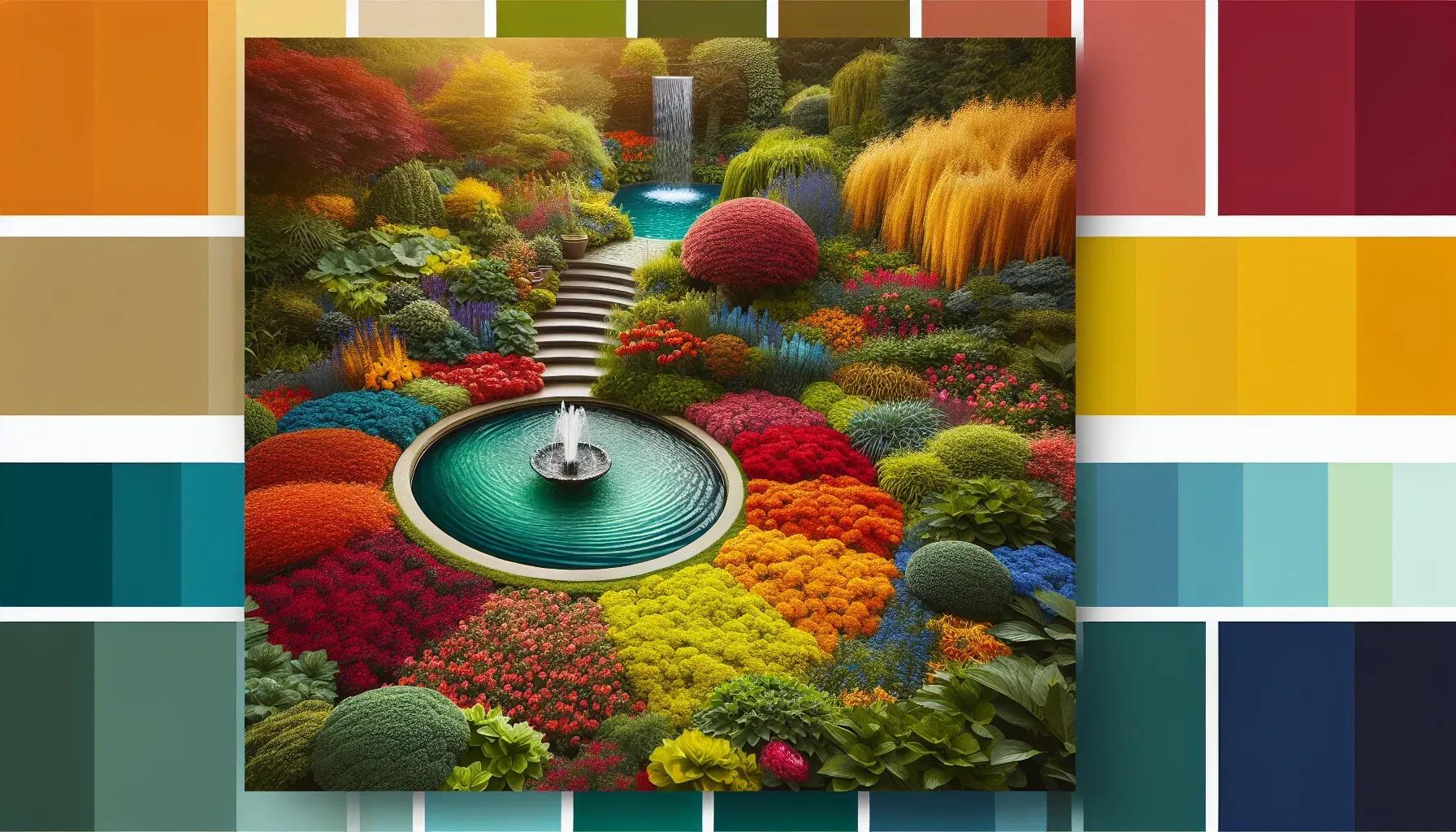
In the artful world of landscape design, gardeners not only cultivate plants but also craft moods and perceptions through color. A Real Estate Sales Representative discusses how cool tones can create tranquil spaces, while we explore additional answers that delve into the strategic use of color to manipulate spatial perception and maintain seasonal interest. Here's a palette of insights illustrating the vibrant role of color theory in shaping our outdoor experiences.
- Enhance Mood Through Psychology
- Achieve Visual Balance and Harmony
- Guide and Inform Aesthetic Choices
- Craft Emotional Ambiance
- Manipulate Spatial Perception
- Design Dynamic Beauty Year-Round
Enhance Mood Through Psychology
One example that comes to mind is a recent project I worked on where we utilized color theory to enhance the mood of a residential garden. We were tasked with creating a tranquil and relaxing atmosphere for homeowners who wanted a space to unwind after a long day. Drawing from color psychology, we incorporated cool tones such as shades of blue and green to evoke a sense of calmness and serenity. These colors are known to have a soothing effect on the mind and body, perfect for creating a peaceful oasis amidst the hustle and bustle of urban life. Additionally, we strategically placed pops of warm hues like soft oranges and yellows to add warmth and coziness to the space, inviting residents to linger and enjoy the ambiance. By carefully considering the principles of color theory, we were able to transform a simple landscape into a sanctuary that truly resonated with our clients' desires.

Achieve Visual Balance and Harmony
The application of color theory in landscape design cannot be understated as it contributes fundamentally to the aesthetic unity of a garden. By selecting colors that complement each other, designers can create a visually cohesive space that exudes balance and harmony. Colors can be carefully chosen to lead the eye in a certain direction or to bring attention to key focal points within the garden.
This thoughtful use of color enhances the overall beauty and impact of the outdoor area, making it a more pleasant place to spend time. Reflect on how color theory can influence the visual harmony in your own garden or outdoor space.
Guide and Inform Aesthetic Choices
In landscape design, color theory serves as a guiding principle in selecting plants and decor for the desired style and feel of an outdoor space. By understanding which colors complement or contrast with one another, designers can make informed choices that will bring life and vibrancy to a garden. A monochromatic scheme might result in a tranquil, serene space, while a complementary color scheme could create a more dynamic and exciting garden experience.
Thoughtful application of color theory can turn a simple garden into a captivating masterpiece. Consider employing color theory principles to enhance your garden design process and elevate the aesthetic of your outdoor environment.
Craft Emotional Ambiance
The role of color theory in influencing mood and emotional responses is profound within the realm of landscape design. Different colors can evoke a range of emotions, from the calming effect of greens and blues to the energizing impact of vibrant reds and yellows. A designer can craft a space that not only looks good but also feels right to those who experience it, by aligning the color scheme of a landscape with the desired emotional tone.
By doing so, a garden can become a restorative sanctuary or a stimulating retreat. Take the time to consider the emotional ambiance you wish to create through the use of color in your garden space.
Manipulate Spatial Perception
Leveraging color theory in landscape design also allows for the manipulation of perception in relation to space. Lighter shades can make a small garden feel spacious, while darker tones can make a large, open area seem more intimate and contained. Color gradients can create a sense of depth, drawing the eye in and giving a multi-dimensional feel.
The intelligent use of color enhances not just the beauty, but also the perceived size and shape of a garden. Explore different shades and tones to manipulate the spatial perception in your landscape design endeavors.
Design Dynamic Beauty Year-Round
Additionally, color theory is pivotal in dictating the variation of interest throughout the seasons in a garden. Certain colors can reflect the seasonal changes, such as warm autumnal hues or bright spring pastels, ensuring that the landscape remains visually appealing all year round. Using color theory, a landscape can be designed to transition smoothly from one season to the next with bursts of color that maintain intrigue.
The strategic choice of plants and colors can celebrate the natural cycles, keeping a garden dynamically beautiful. Plan your garden to include a range of colors that will provide seasonal interest and beauty.