
What Are the Unexpected Benefits of Using Mulch in Garden Designs?
When an Arborist discusses the unexpected benefits of integrating mulch into garden designs, it's clear there's more to it than meets the eye. Alongside industry professionals, we've gathered additional answers that reveal a spectrum of advantages, from practical gardening solutions to environmental contributions. From fostering local wildlife habitats to reflecting heat to safeguard plants, delve into seven surprising perks of using mulch.
- Fosters Local Wildlife Habitats
- Enhances Plant and Landscape Contrast
- Stabilizes Soil Temperature for Plants
- Natural Pest Repellent
- Improves Soil Health Over Time
- Combats Soil Erosion
- Reflects Heat to Protect Plants
Fosters Local Wildlife Habitats
One unexpected benefit of incorporating mulch into my garden designs has been its role in fostering local wildlife habitats. Beyond the well-known advantages of mulch, such as moisture retention, weed suppression, and soil temperature regulation, I've observed it serving as a nurturing ground for beneficial insects and small creatures. This mulch layer creates a micro-habitat for organisms like earthworms, which are essential for soil aeration and nutrient cycling, and it provides shelter for insects that contribute to pollination and pest control.
This ecological boon has influenced my approach to landscape design, prompting me to prioritize biodiversity and ecosystem health in my projects. By selecting organic mulches sourced from local materials, I further enhance the garden's sustainability and support the balance of local ecosystems. This unexpected benefit has not only enriched the gardens I design but also educated my clients on the importance of creating spaces that support and coexist with local wildlife, contributing to a more holistic and environmentally sensitive approach to landscaping.

Enhances Plant and Landscape Contrast
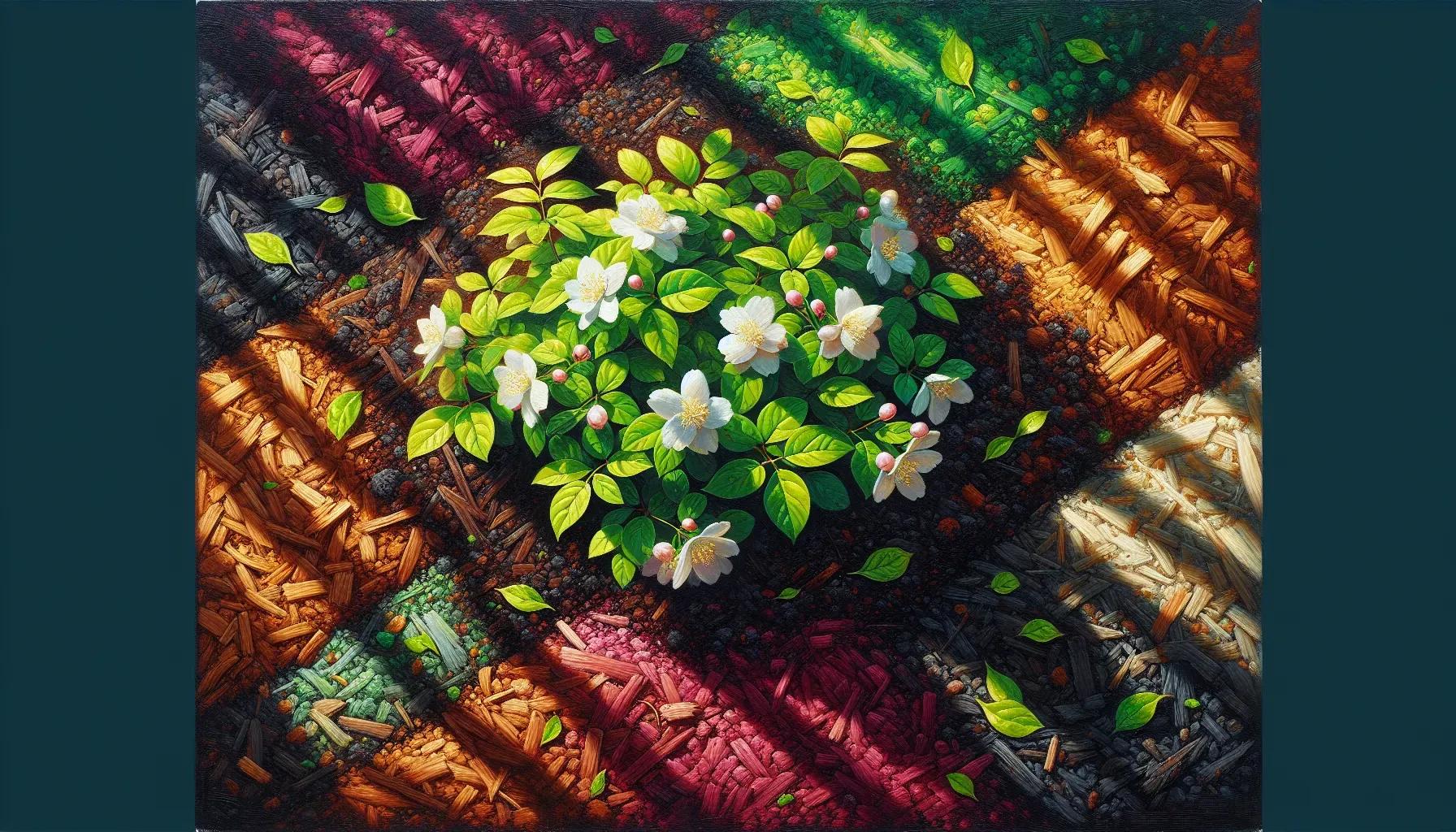
Mulch has many utilitarian purposes in landscape design, such as aiding in moisture retention and weed suppression. However, it also serves as a stage to support and highlight your landscaping plants by providing a solid background. I like to use mulch to create contrast in the landscape and tend toward darker mulches that make the plants pop. Mulch also allows the opportunity to draw on features of the house (for example, accenting black trim with black mulch) and to designate different areas (for example, landscaping beds versus a walkway).
Stabilizes Soil Temperature for Plants
The use of mulch in a garden can create a stable environment for plants by maintaining steady ground temperatures. During hot days, mulch keeps the soil cooler, and conversely, during cold spells, it can keep the ground warmer. This moderation prevents the soil from going through drastic temperature fluctuations, which can shock plant roots and impede plant growth.
By creating a temperate base for garden flora, mulch promotes healthier and more robust plant development. Consider adding a layer of mulch to your garden to protect your plants from the whims of the weather.
Natural Pest Repellent
Gardeners may find that mulch serves as an unexpected ally in the fight against unwanted pests. Certain types of mulch, such as cedar bark, can repel insects naturally due to their specific scent and chemical composition. This deters pests without the need for synthetic chemical treatments, contributing to a more eco-friendly garden.
Additionally, a thick layer of mulch can act as a barrier to keep some crawling insects from reaching the plants. Integrate mulch into your garden as a chemical-free pest control method and observe the difference it can make.
Improves Soil Health Over Time
Incorporating mulch into a gardening routine is an excellent way to improve soil health over time. As organic mulches like wood chips or straw break down, they contribute to the soil's content of organic matter, enhancing its structure and fertility. This process gradually enriches the soil, thereby supporting the growth of healthier plants that are able to absorb nutrients more effectively.
Rich soil also retains water better, requiring less frequent watering. To boost your garden's soil health, start using mulch and watch as it transforms the ground into a more nurturing bed for your plants.
Combats Soil Erosion
Applying mulch in garden areas is an effective strategy to combat soil erosion. Soil erosion can lead to nutrient loss and diminished garden quality, but mulch acts as a shield against the erosive forces of wind and water. It holds the soil in place, absorbing the impact of raindrops and reducing the speed at which water flows over the surface, which minimizes the loss of topsoil.
As soil stays put, plants have a more stable environment to grow in. Utilize mulch in your garden beds to safeguard the soil from erosion and secure the foundation of your plant haven.
Reflects Heat to Protect Plants
Utilizing mulch is beneficial for protecting plants that are sensitive to intense temperatures. It acts as an insulating layer that reflects sunlight, thus lessening the heat that reaches the soil and roots of plants. By doing so, mulch enables these plants to survive and thrive even during summer's peak when soil can otherwise become too hot for their roots.
This reflection of heat helps to maintain a cooler root zone, which is particularly advantageous for plants that are prone to heat stress. Add mulch to your garden to keep plant roots cool, ensuring they have the best chance to flourish.